Double-entry books for groups, accountants and developers
Multi-entity cloud accounting software for every company you run
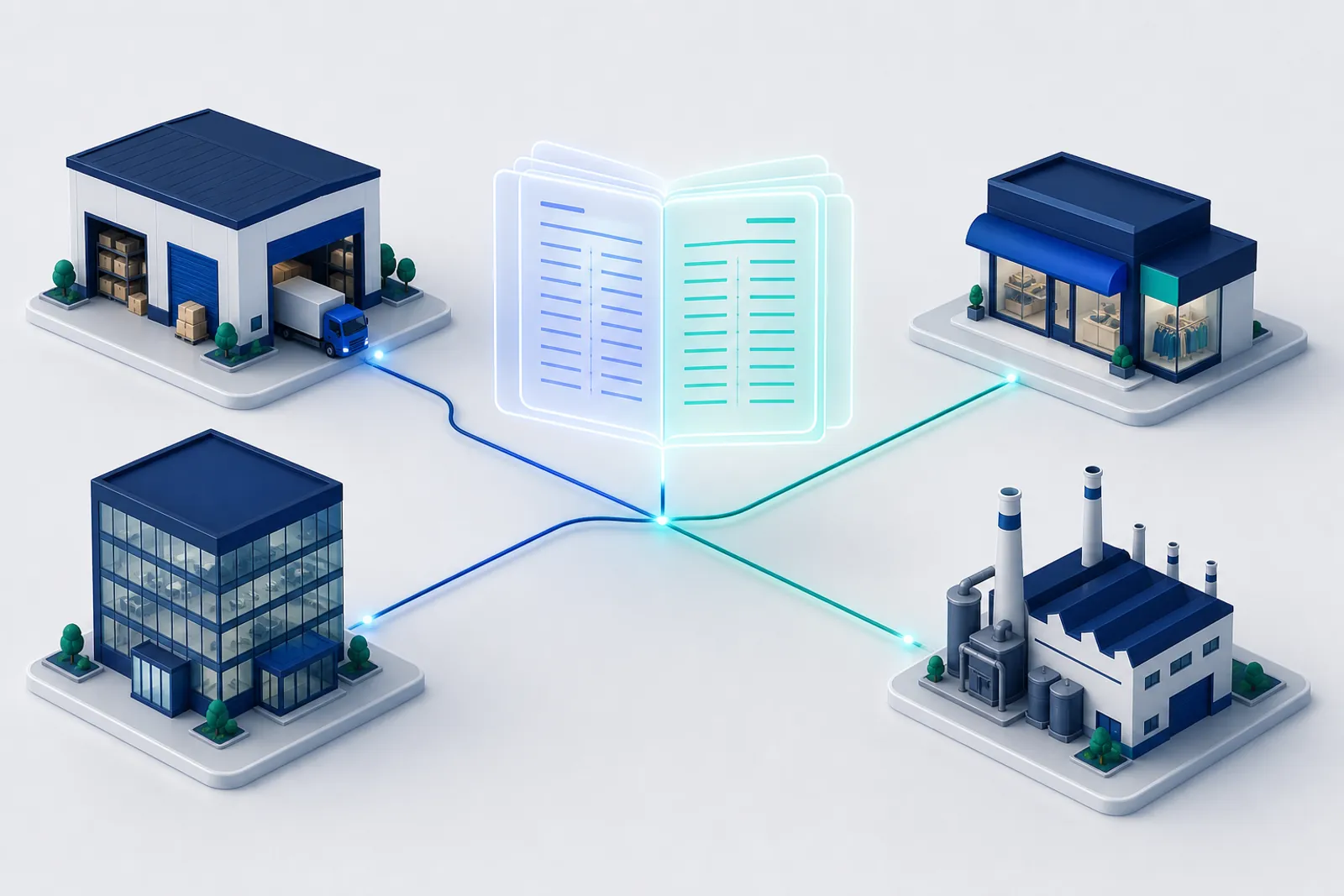
Ledgeriano is multi-entity cloud accounting software that keeps separate, standards-ready books for each business in one account. A sale in one company can post the matching purchase in another on its own, and every ledger is reachable through a REST API.
Chart-of-accounts templates for the standards you report under
IFRS
US GAAP
EU (PCG-style)
GCC IFRS + VAT & Zakat
Small business
Americas, Europe, Middle East, Asia
4 regions
From the journal book to the cash flow statement
9 reports
On businesses under one login
No limit
API keys, idempotency, signed webhooks
REST API
Why teams switch
Stop typing the same transaction into three sets of books
Groups of companies usually keep one file per entity, then re-enter every intercompany sale by hand and reconcile the gaps at month end. Ledgeriano keeps each company's books separate but connected, so one event is recorded once and mirrored where it belongs.
Spreadsheets and single-company tools
A separate login, file or database for every company
Intercompany sales re-keyed as purchases, with typos and timing gaps
Month-end spent chasing why the balances do not match
No clean way to feed sales or ERP data into the books
Ledgeriano
Every business in one account, each with its own currency, fiscal years and members
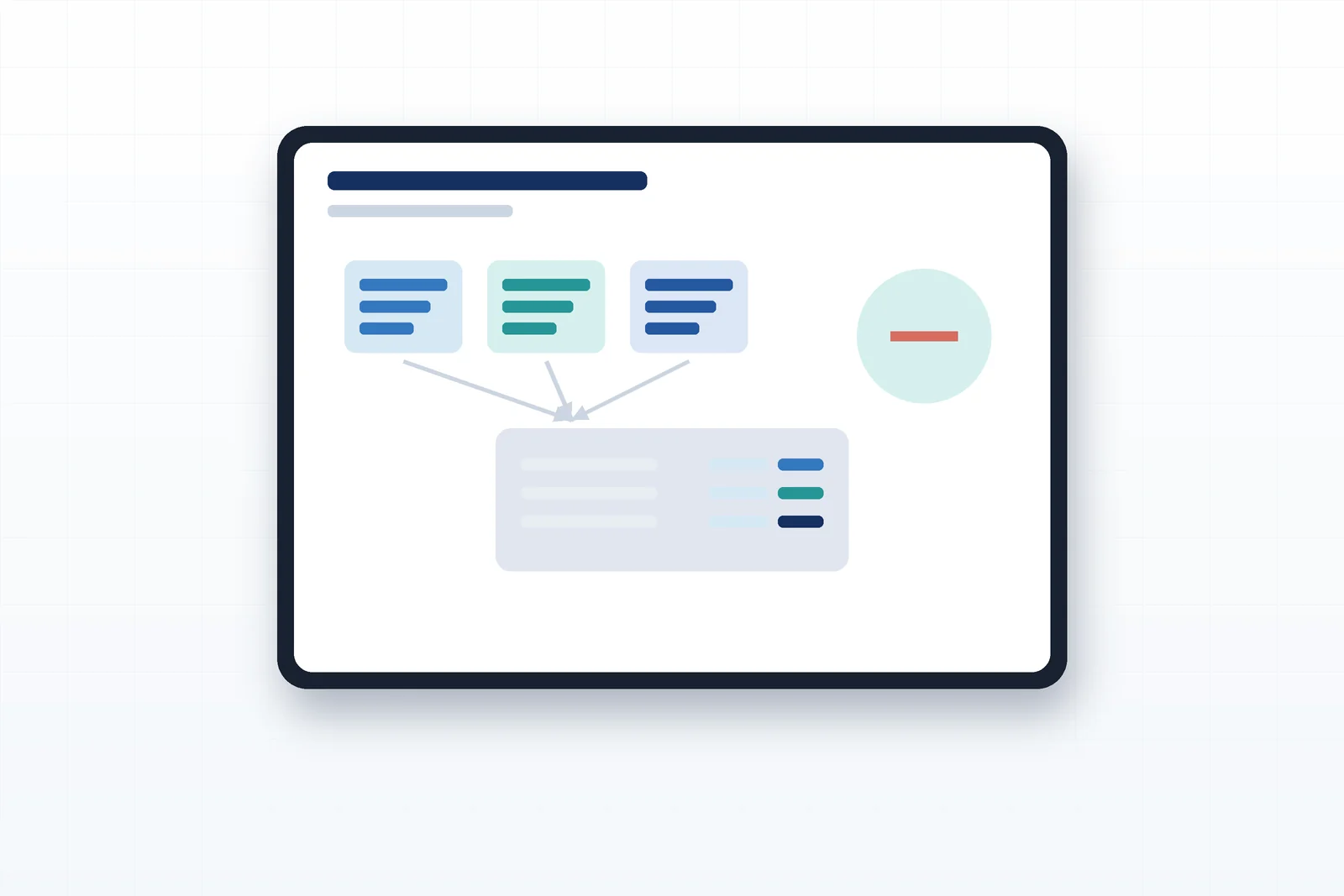
Workflows post the matching entry in the other company automatically
Posted entries are immutable, corrections go through reversals
A REST API and signed webhooks for your store, ERP or scripts
Example: a 36,000 USD sale posted in Atlas Trading creates a 36,000 USD purchase in Atlas Retail within the same request, with the accounts mapped for you.
Everything the books need
Multi-entity cloud accounting software with a complete double-entry ledger
Every feature works per business, so a holding company, its subsidiaries and your clients each get clean, separate books under one login.
Perpetual stock per warehouse with FIFO, weighted average or standard cost, lot and serial tracking with FEFO, and job order and process costing with MRP for manufacturers. Every stock and production document posts a balanced entry.
Monthly budgets by account, cost center and project, budget vs actual and flexible budgets, break-even and CVP, segment margins with ROI and residual income, ABC, ratios and decision calculators.
A workflow watches entries in one business. When an entry is created, posted or reversed and your conditions match, Ledgeriano creates the matching entry in another business from a template, or mirrors it with an account map. Loop protection and dry runs are built in.
Statements your auditor recognises, ready the moment you post
Reports are built from posted entries in real time, so there is no batch to run and nothing to export first. Compare with the prior year, print, or download CSV.
Balance sheet (statement of financial position)
Income statement by function
Cash flow statement, indirect method
Statement of changes in equity
Journal book, general and subsidiary ledgers
2, 4 and 6 column trial balance and party balances
Every business has a REST API at api.ledgeriano.com/api/v1. The same validation runs as in the app: entries must balance, posted entries are immutable and every request is logged.
Owner-managed API keys
Bearer tokens per business that you can rotate or revoke at any time.
Idempotency keys
Retry safely. The same key never creates the same entry twice.
Signed webhooks
Get notified when entries change and verify each delivery's signature.
OpenAPI reference
Every endpoint documented and browsable, rendered with Scalar.
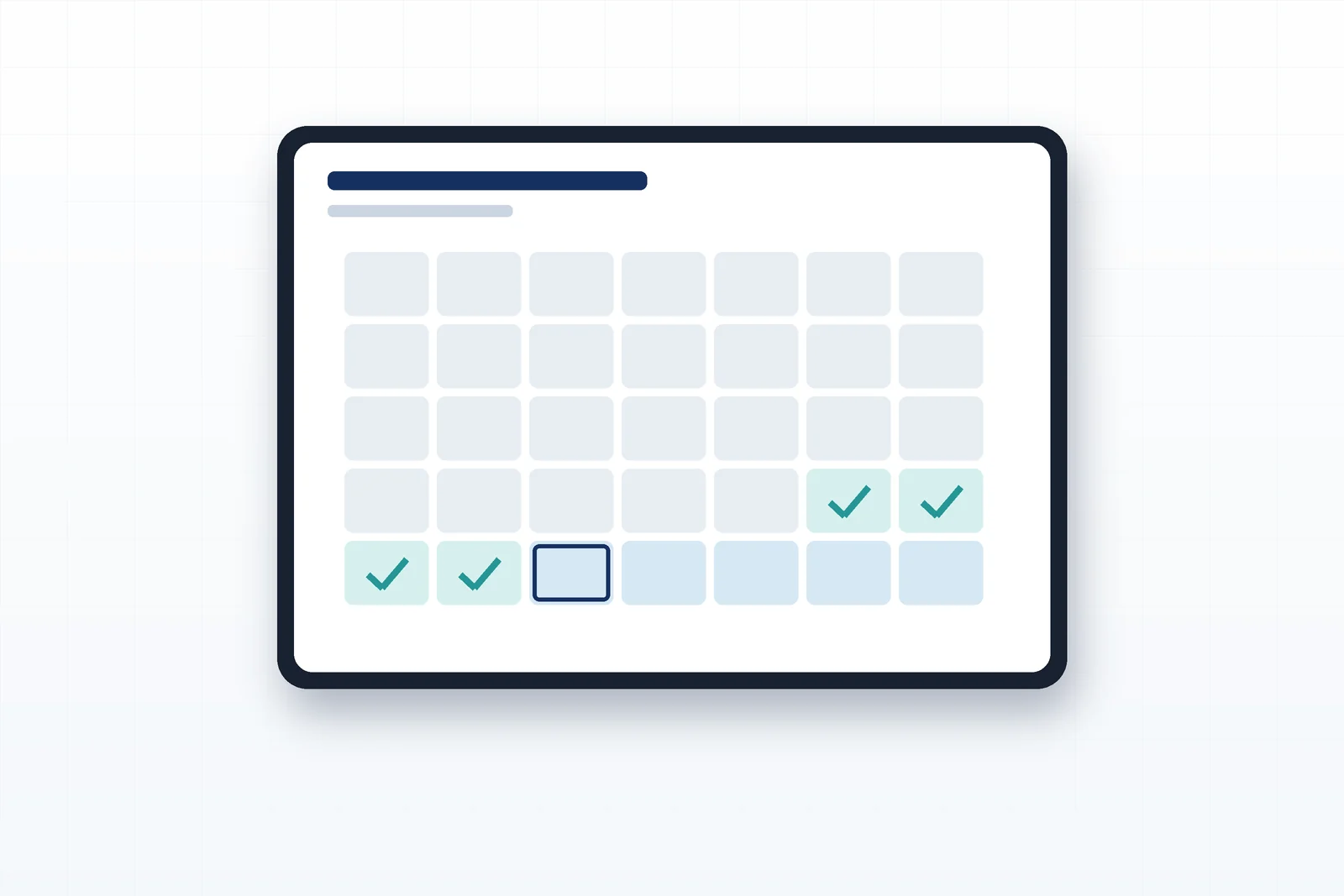
Each business sets its own fiscal year, so one company can close on 31 December while another closes on 31 March. Lock dates and year-end closing follow each year.
Standards and fiscal years
Start from the chart of accounts your country expects
Pick a template when you create a business, then rename, add or deactivate accounts as you like. Reports follow the structure of the template you chose.
IFRS
Full IFRS structure for groups that report internationally.
No subscription. Credits for what you actually do.
Every new account starts with free credits, which you spend on actions such as recording an entry or an API call. Reports and posting cost nothing by default, and there is no fee per user.
1
Sign up and get free credits
Enough to set up a business and record your first entries.
2
See the cost first
The credit cost of every action is listed in the app before you use it.
3
Spend only on activity
Credits are charged to the business owner as actions happen.
What common actions cost
Record a journal entry3 credits
API call1 credits
Workflow run2 credits
Webhook delivery0.5 credits
Create a business50 credits
Generate a reportFree
Checking live credit costs…
Guides
Learn multi-entity accounting from worked examples
Step-by-step guides with real numbers, written for accountants, finance leads and developers.
Consolidation adds the financial statements of a parent and the subsidiaries it controls line by line, then removes everything that happened inside the group: intercompany sales and balances, loans and interest, dividends, unrealised profit in inventory and the parent's investment, which is replaced by goodwill and non-controlling interest.
IFRS is the principles-based framework set by the IASB and required for listed companies in most jurisdictions outside the United States; US GAAP is the more detailed FASB framework used by US companies. The biggest practical differences are LIFO, asset revaluation, development costs, impairment testing, lessee leases, cash flow classification and provisions.
A month-end close is the routine that makes a month's books complete and correct before anyone reports from them: enforce cut-off, reconcile cash, receivables, payables, inventory and intercompany balances, post accruals, prepayments, depreciation and revaluations, review the trial balance and statements, then lock the period so nothing changes afterwards.
UAE VAT accounting means recording 5% output VAT on taxable sales as a liability, recording recoverable input VAT on purchases as an asset, accounting for imports under the reverse charge, and netting the balances into one settlement each tax period so the ledger agrees with the VAT 201 return filed with the Federal Tax Authority.
It is accounting software that keeps separate double-entry books for several legal entities or businesses in one online account. Each entity has its own chart of accounts, currency and fiscal years, and the software can connect them, for example by posting intercompany transactions on both sides.
How many businesses can I create?
There is no fixed limit. Each new business costs a small number of credits (50 by default), and after that you only pay for the activity inside it.
Is there a free plan or trial?
Yes. Ledgeriano is in a trial period, and new accounts receive free credits at signup, so you can create a business, pick a chart of accounts and record entries without a card.
Which accounting standards does Ledgeriano support?
You can start from chart-of-accounts templates for IFRS, US GAAP, European PCG-style charts, GCC IFRS with VAT and Zakat, and a small-business chart.
Can each company have its own fiscal year?
Yes. Every business sets its own fiscal year dates, so a subsidiary on an April to March year can sit next to a holding that follows the calendar year. Each one closes, locks and opens its years independently.
Can I automate intercompany transactions?
Yes. Workflows watch entries in one business and, when your conditions match, create the matching entry in another business from a template, mirror it with an account map, or call a URL.
Does Ledgeriano handle inventory and manufacturing costs?
Yes, through an optional inventory and cost accounting module that you switch on per business. It values stock with FIFO, weighted average or standard cost, runs job order and process costing, absorbs overhead with predetermined rates and posts a balanced journal entry for every stock and production document.
Does Ledgeriano include budgeting and management accounting?
Yes, for every business. You can set monthly budgets by account, cost center and project, compare them with actual results and a flexible budget, and run break-even and CVP analysis, variable vs absorption costing, segment reports with ROI and residual income, activity-based costing, 19 financial ratios and decision calculators.
Is there an API?
Every business has a REST API authenticated with owner-managed API keys. It supports idempotency keys, signed webhooks and has an OpenAPI reference rendered with Scalar.
Can my accountant or team work in the same books?
Yes. Invite members by email to a business and give each one a role with specific permissions. Every change is recorded in the audit trail.
Set up your first company in five minutes
Create a business, choose IFRS, US GAAP or the GCC chart, and post a balanced entry. Your free credits are waiting.