Skip to content
Guides

Accounting guides for multi-entity teams

Practical, example-driven guides on multi-entity bookkeeping, intercompany automation, financial statements and the accounting API. Written for accountants, finance leads and developers.

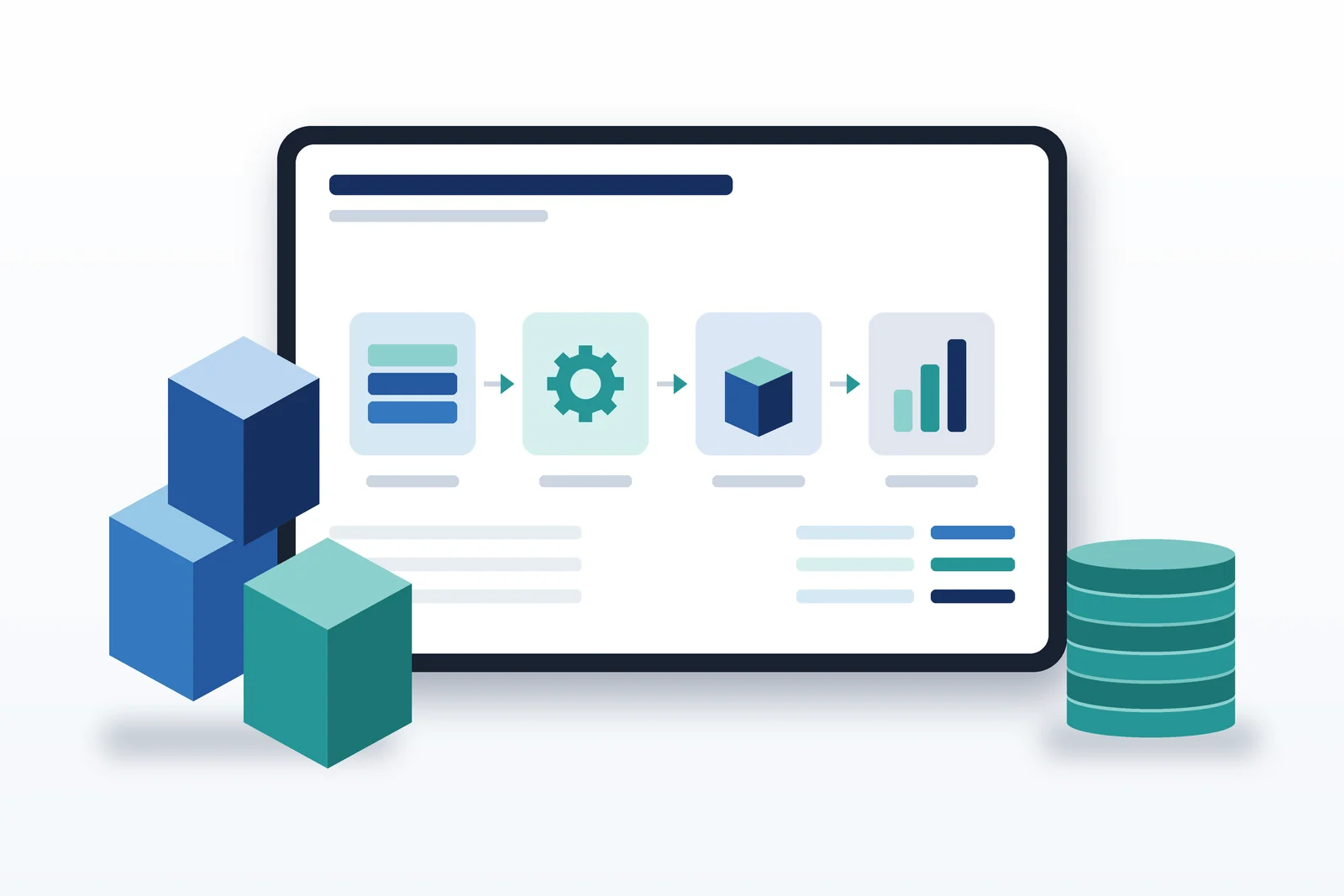
Multi-entity accounting software dashboard showing separate ledgers for a wholesaler and a retailer in one account
Platform12 min read

Multi-Entity Accounting Software: How to Run the Books of Several Companies in One Place

Multi-entity accounting software lets one person or team keep a separate, complete set of books for each company (its own currency, chart of accounts, fiscal years and members) while switching between them from a single login. You need it as soon as two taxpayers must each file their own statements, and it makes intercompany matching and consolidation far easier.

Read guide →
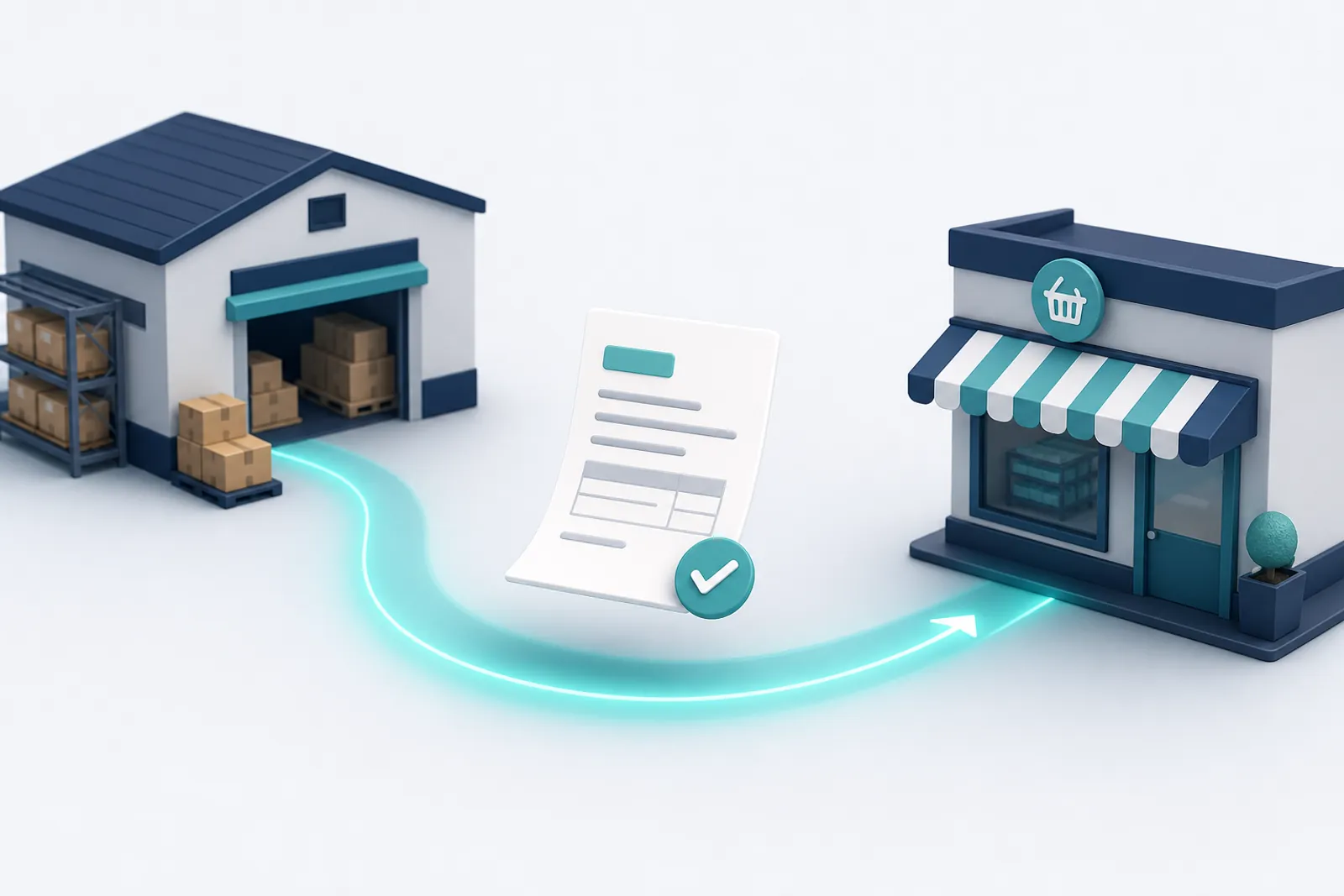
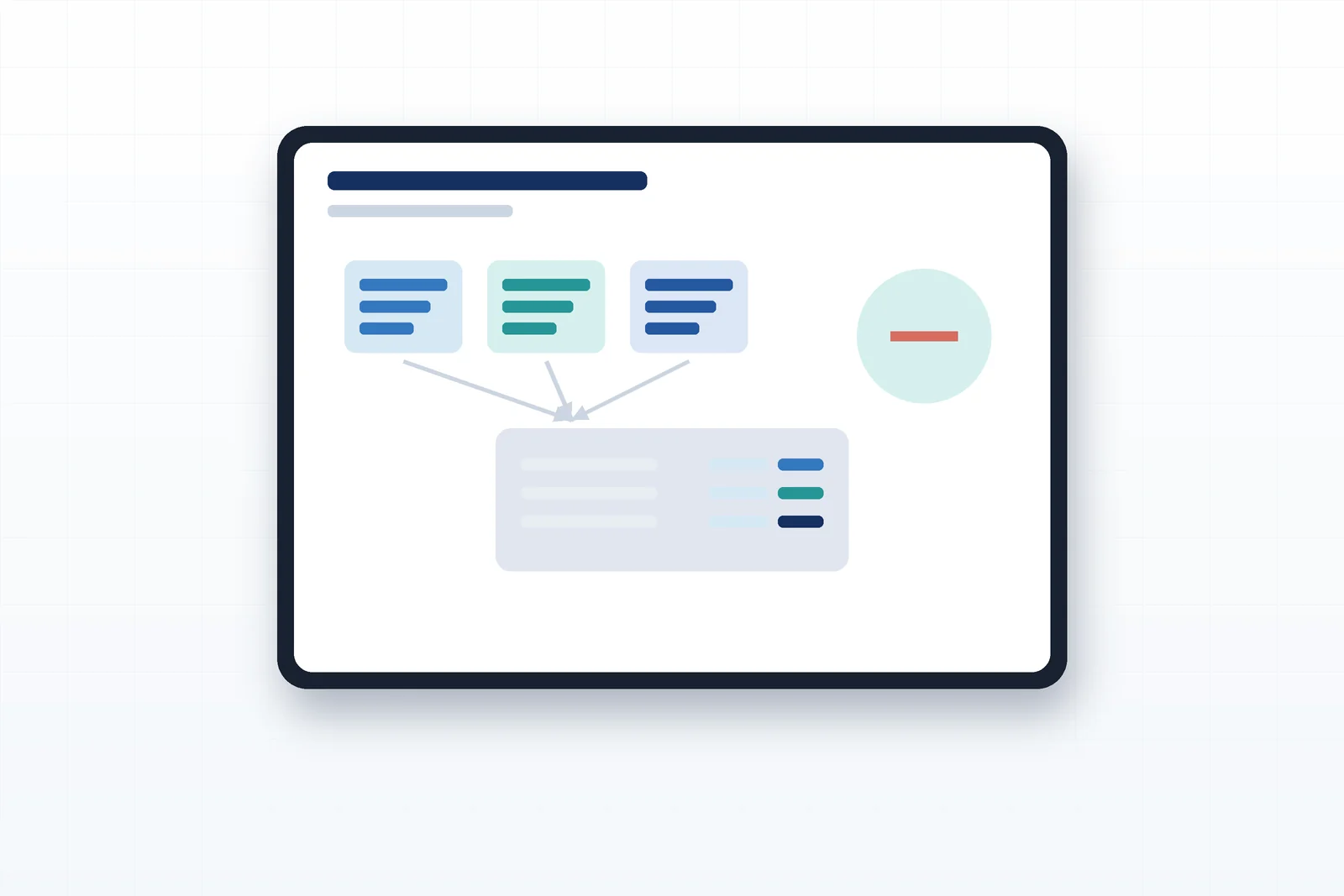
Intercompany transactions automation: a posted sales voucher in a wholesaler creating a matching purchase voucher in a retailer
Automation13 min read

Intercompany Transactions Automation: Record Both Sides of Every Deal Once

Intercompany transactions automation means that when one company posts a sale, invoice or payment to a sister company, the matching entry is created in the other company's books automatically, with the same amount, date and reference, so both sides always agree.

Read guide →
Accounting API request posting a balanced journal entry from an online store to Ledgeriano, with the JSON response
Developers12 min read

Accounting API: Post Journal Entries From Your Store or ERP Automatically

An accounting API lets your online store, ERP or billing system create balanced journal entries, read balances and pull financial reports over HTTPS, so sales reach the ledger in seconds instead of being retyped at month end. A good one uses API keys, idempotency keys and signed webhooks.

Read guide →
IFRS financial statements: balance sheet, income statement and cash flow statement built from one ledger
Reporting15 min read

IFRS Financial Statements: How the Balance Sheet, Income Statement and Cash Flow Fit Together

IFRS financial statements are the balance sheet, income statement, statement of cash flows and statement of changes in equity, plus notes. Profit flows into equity, equity matches the balance sheet, and closing cash matches the bank line. IAS 1 sets the presentation today; IFRS 18 replaces it for periods beginning on or after 1 January 2027.

Read guide →
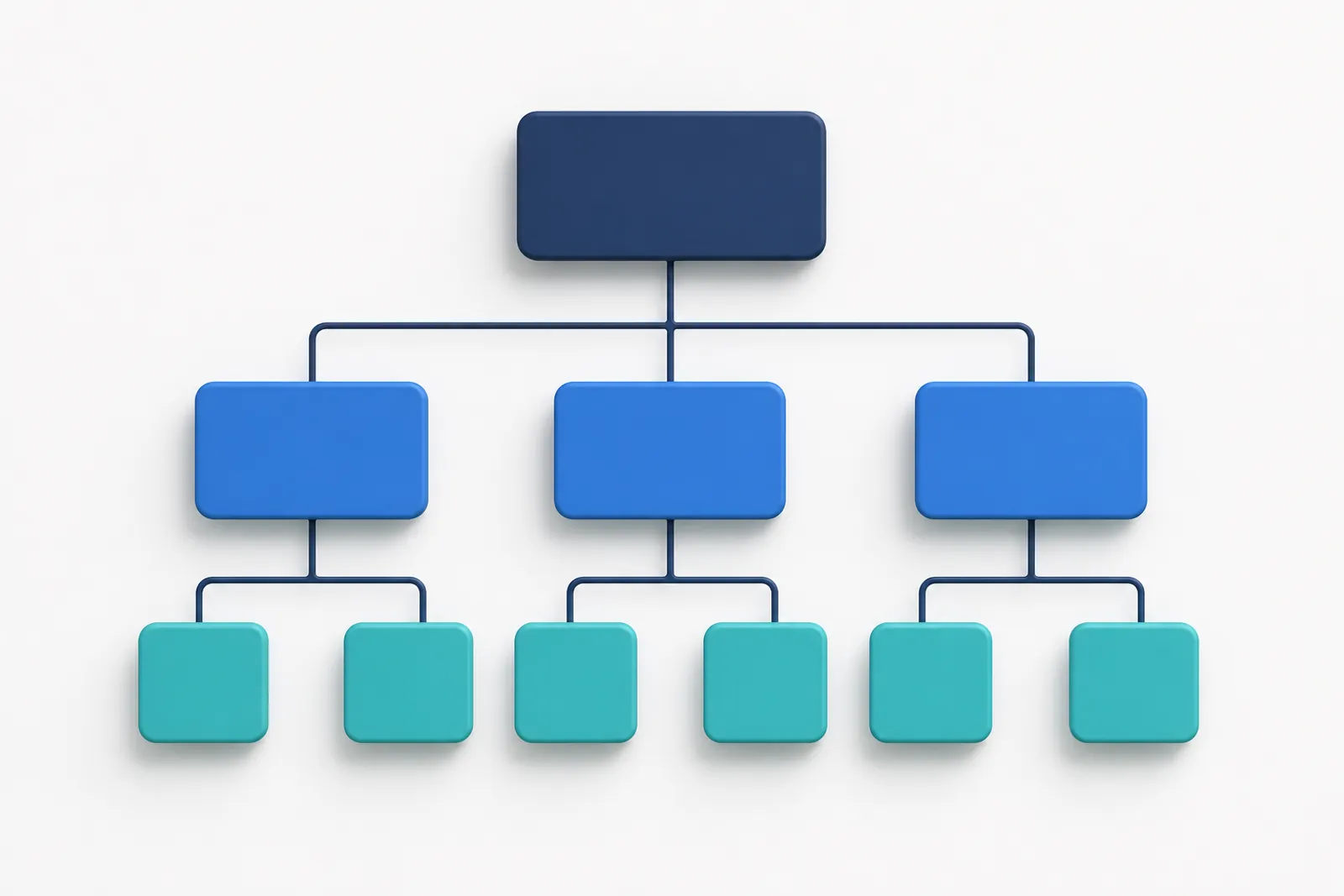
Chart of accounts template showing account groups, numbering and postable accounts in a tree
Setup14 min read

Chart of Accounts Template: Structure, Numbering and Standards Compared

A chart of accounts template is a ready-made, numbered list of asset, liability, equity, revenue and expense accounts that matches your reporting standard. Pick one for your standard, keep it short with parties, cost centers and projects, and give every account the right category.

Read guide →
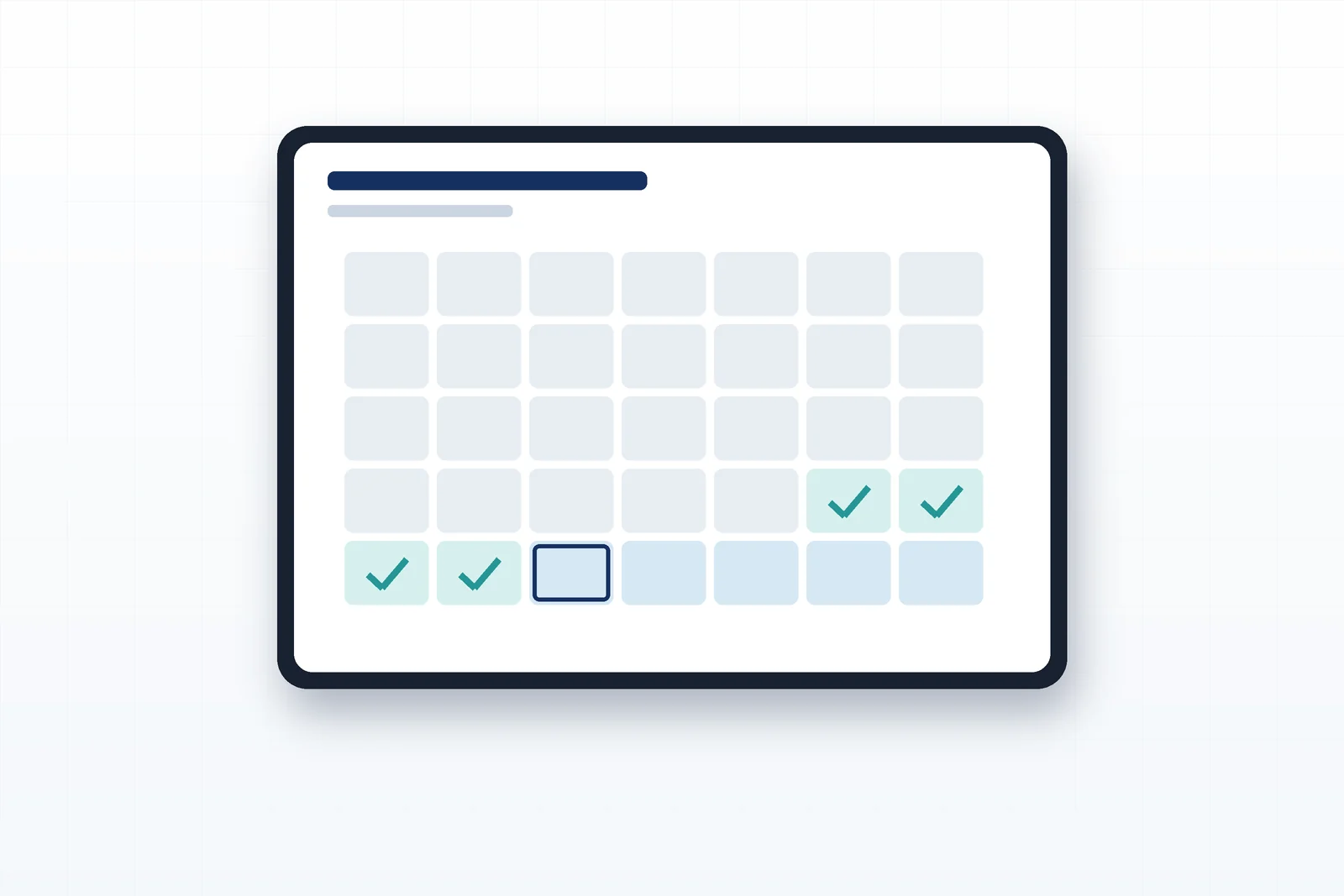
Year-end closing entries moving revenue and expenses through the income summary into retained earnings
Operations12 min read

Year-End Closing Entries: How to Close the Books and Open the Next Year

Year-end closing entries zero every revenue and expense account through the income summary and move the net profit or loss into retained earnings. Balance sheet accounts are not closed; they start the next year through an opening entry. After closing, a lock date keeps the reported year from changing.

Read guide →
Double-entry bookkeeping online: a balanced journal entry with debit and credit lines next to a trial balance
Operations13 min read

Double-Entry Bookkeeping Online: Journal Entry Examples and the Trial Balance

Double-entry bookkeeping records every transaction in at least two accounts, with total debits equal to total credits, so the books always balance. Online, you enter each transaction as a journal entry (voucher), post it when it is reviewed, and the trial balance proves the ledger still balances.

Read guide →
Management accounting dashboard with budget vs actual bars, a break-even chart, a segment donut and a profit target
Reporting20 min read

Management Accounting for SMEs: Budgets, Break-Even, Costing and Decisions

Management accounting turns ledger data into plans and decisions: a monthly budget compared with actuals, a flexible budget that separates volume from spending, break-even and CVP analysis, contribution reporting by segment, activity-based costing, key ratios and relevant-cost decisions. Unlike financial accounting, it follows no standard and looks forward.

Read guide →
Consolidation worksheet combining a parent and a subsidiary with intercompany eliminations and non-controlling interest
Reporting12 min read

Consolidation and Intercompany Eliminations: A Worked Example With Goodwill and NCI

Consolidation adds the financial statements of a parent and the subsidiaries it controls line by line, then removes everything that happened inside the group: intercompany sales and balances, loans and interest, dividends, unrealised profit in inventory and the parent's investment, which is replaced by goodwill and non-controlling interest.

Read guide →
IFRS vs US GAAP comparison with two sets of financial statements side by side and key differences highlighted
Reporting11 min read

IFRS vs US GAAP: Key Differences Explained With Standard References and Examples

IFRS is the principles-based framework set by the IASB and required for listed companies in most jurisdictions outside the United States; US GAAP is the more detailed FASB framework used by US companies. The biggest practical differences are LIFO, asset revaluation, development costs, impairment testing, lessee leases, cash flow classification and provisions.

Read guide →
Month-end close checklist with reconciled accounts, adjusting entries and a locked accounting period
Operations9 min read

Month-End Close Checklist: 12 Steps, a 5-Day Calendar and Adjusting Entry Examples

A month-end close is the routine that makes a month's books complete and correct before anyone reports from them: enforce cut-off, reconcile cash, receivables, payables, inventory and intercompany balances, post accruals, prepayments, depreciation and revaluations, review the trial balance and statements, then lock the period so nothing changes afterwards.

Read guide →
UAE VAT accounting: output VAT, input VAT and a quarterly VAT settlement flowing into one ledger
Operations12 min read

UAE VAT Accounting: Journal Entries, VAT Returns and the 2027 E-Invoicing Rollout

UAE VAT accounting means recording 5% output VAT on taxable sales as a liability, recording recoverable input VAT on purchases as an asset, accounting for imports under the reverse charge, and netting the balances into one settlement each tax period so the ledger agrees with the VAT 201 return filed with the Federal Tax Authority.

Read guide →
E-invoicing readiness: an invoicing system sending a cleared invoice while the general ledger receives the matching journal entry
Operations9 min read

ZATCA E-Invoicing Readiness: Phase 2 Waves, Requirements and How Your Ledger Fits In

ZATCA e-invoicing requires VAT registered businesses in Saudi Arabia to issue invoices from a compliant electronic solution (Phase 1) and, once their wave is called, to integrate that solution with ZATCA's FATOORAH platform (Phase 2) so B2B invoices are cleared before they reach the buyer and B2C invoices are reported within 24 hours.

Read guide →
Zakat accounting: a balance sheet with equity and funding sources on one side and deductible long-term assets on the other, leading to the Zakat base
Reporting9 min read

Zakat Accounting for Companies in Saudi Arabia: Base, Rate, Journal Entries and Reporting

Zakat accounting for a Saudi company means working out the Zakat base from the balance sheet (equity and funding sources less deductible long-term assets), applying 2.5% for a Hijri year or a day-adjusted rate of about 2.5776% for a 365-day Gregorian year, booking the result as an expense and a liability, and filing within 120 days of year end.

Read guide →
FIFO vs weighted average cost: stacked inventory layers next to a single blended average cost bar
Operations14 min read

FIFO vs Weighted Average Cost: Inventory Costing Methods Compared With Examples

FIFO charges the oldest purchase prices to cost of goods sold and leaves the newest in closing stock; weighted average charges every unit at the average cost on hand. Both are allowed by IAS 2. When prices rise, FIFO shows higher profit and stock values, while weighted average gives smoother margins.

Read guide →
Budget vs actual variance analysis report with paired monthly bars and favourable and unfavourable markers
Reporting11 min read

Budget vs Actual Variance Analysis: Formulas, Example Report and Commentary

Budget vs actual variance analysis compares each line of the budget with the actual result for the same period. The variance is actual minus budget: favourable when it raises profit, unfavourable when it lowers it. Material variances are then split into price, volume, mix, timing and spending causes and explained.

Read guide →
Break-even analysis chart where the revenue line crosses the total cost line above a flat fixed cost line
Reporting10 min read

Break-Even Analysis: How to Calculate the Break-Even Point, With Examples

The break-even point is the sales level where revenue equals total costs and profit is zero. In units it is fixed costs divided by the contribution margin per unit; in revenue it is fixed costs divided by the contribution margin ratio. Every unit sold above it adds its contribution margin to profit.

Read guide →
Accounting software for SMEs in the UAE and Saudi Arabia: a requirements checklist next to separate ledgers for a mainland and a free zone company
Platform9 min read

Accounting Software for SMEs in the UAE and Saudi Arabia: What to Check in 2026

The right accounting software for a UAE or Saudi SME keeps IFRS books with VAT accounts at 5% or 15%, works with an accredited e-invoicing solution (mandatory in Saudi Arabia now and in the UAE from 2027), supports Zakat where it applies, handles AED, SAR and USD, and keeps each mainland, free zone or Saudi company in its own ledger.

Read guide →
Xero alternative for multi-company groups: several company ledgers connected under one login with intercompany links
Platform10 min read

Xero Alternative for Multi-Company Groups: An Honest Comparison

A good Xero alternative for a multi-company group keeps every company in its own ledger under one login, records intercompany transactions on both sides automatically and lets each entity choose its own chart, currency and fiscal year. Xero remains stronger for bank feeds, invoicing apps and payroll; Ledgeriano is built for the group layer.

Read guide →
QuickBooks alternative with IFRS chart of accounts templates: account tree for IFRS, US GAAP and GCC companies side by side
Platform9 min read

QuickBooks Alternative With IFRS Chart Templates: A Fair Comparison

A QuickBooks alternative for IFRS reporters should install an IFRS chart of accounts, present statements in IAS 1 order and let each company keep its own currency and fiscal year. QuickBooks Online is stronger for payroll, payments and bank feeds; Ledgeriano is stronger for IFRS and GCC templates, multi-company groups and cost accounting.

Read guide →